Berlin. Cultural heritage. Your moment.
Exceptional events in the Staatliche Museen zu Berlin.
Museum&Location provides access to some of Berlin’s most extraordinary cultural venues – for private dinners, receptions, galas, corporate events and special occasions.
16 museums · more than 20 years of experience · 100% of event proceeds support art and culture
Whether a dinner surrounded by historic architecture, a reception in the heart of Museum Island, a meeting in a masterpiece of modern architecture or an individual production: the possibilities are as diverse as the museums themselves.
Museum&Location advises you on the choice of venue and develops the right setting for your event together with you.
We combine the distinctive character of each museum with a professional understanding of what your format requires – from the first conversation through to the event itself.
And your event has an impact beyond the moment.
100% of the proceeds generated through our event business support projects of the Stiftung Preußischer Kulturbesitz. In this way, an exceptional experience becomes a lasting contribution to art and culture.
A memorable event · A lasting contribution
Film & Photo Productions
Exceptional locations for exceptional images.
Historic architecture, iconic museum spaces and distinctive settings: the Staatliche Museen zu Berlin offer extraordinary locations for film and photography.
Museum&Location is the point of contact for commercial film and photo productions and coordinates location requests in close consultation with the respective museum. From the initial enquiry to the shoot itself, we coordinate the necessary arrangements and ensure a reliable process for your production.
01 · Enquiry
Tell us about your production, including the desired date, location, purpose, scope and intended use.
02 · Review
We assess the request together with the respective museum and clarify the relevant conditions and requirements.
03 · Proposal
We provide an individual quotation for location use, including the applicable usage rights and any additional costs such as security, technical staff or cleaning.
04 · Production
Once approved, we coordinate the agreed arrangements with the museum and support the production on site.
Location use & rights
Location fees are determined individually according to the duration, scope and intended use of the production. The agreed fee covers the use of the approved location and the rights specified in the location agreement. Additional operational costs may apply.
100% of the proceeds from commercial location use support projects of the Staatliche Museen zu Berlin and the Stiftung Preußischer Kulturbesitz.
Planning your production
To help us assess your request efficiently, please provide the relevant production details and review our guidelines before submitting your enquiry:
Needed data
Shooting guidelines Staatliche Museen zu Berlin
Shooting guidelines Staatsbibliothek zu Berlin
Architecture · art · history · location
Mitte - UNESCO World Heritage Museum Island
19th-century masterpieces in monumental surroundings
19th-century masterpieces in monumental surroundings
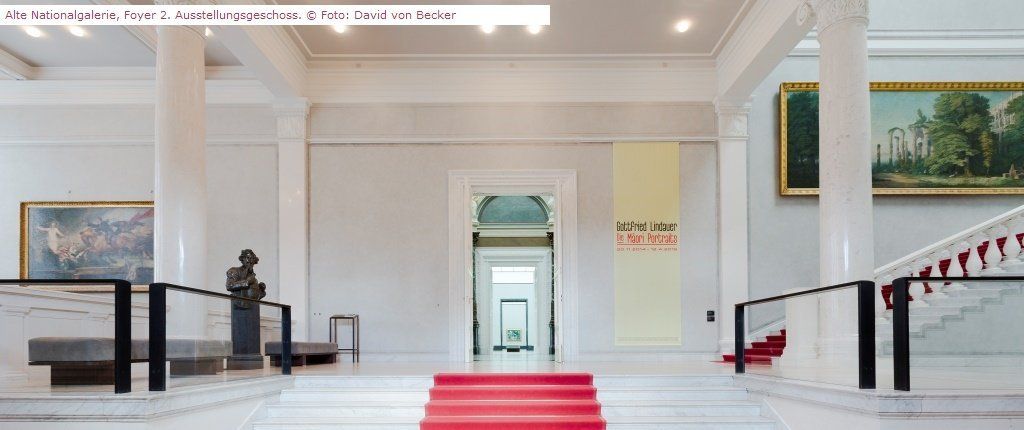
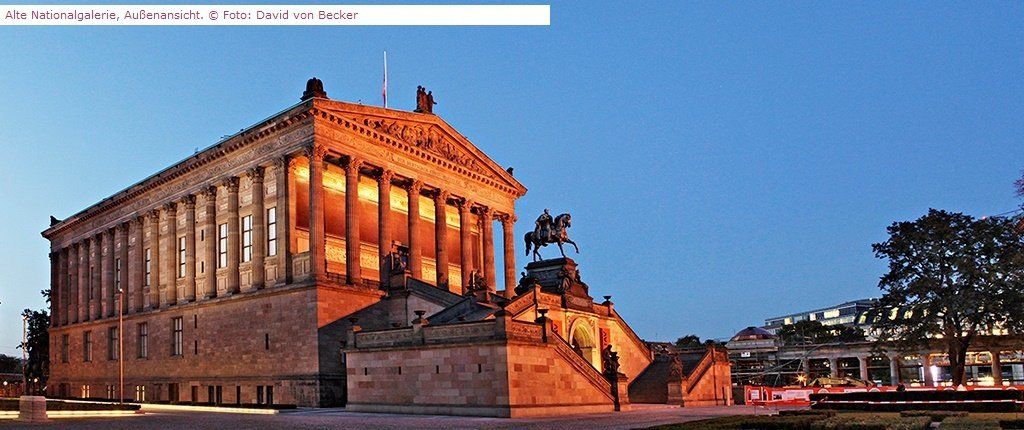
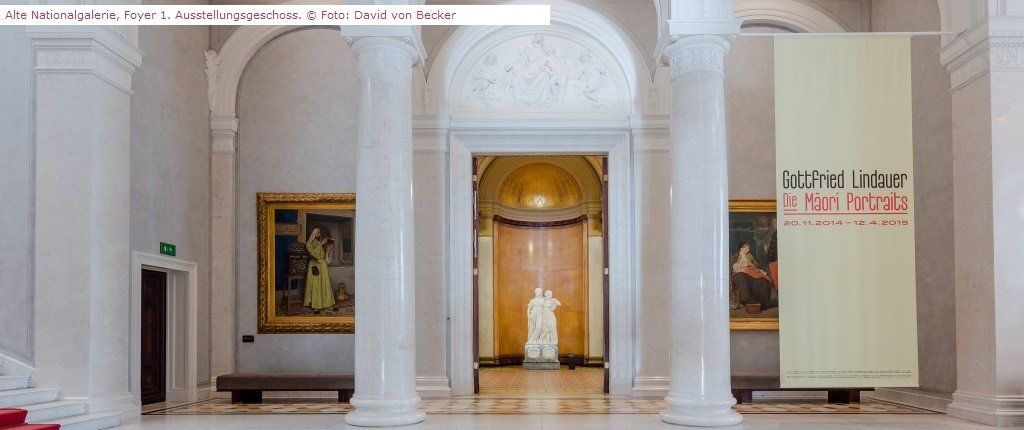
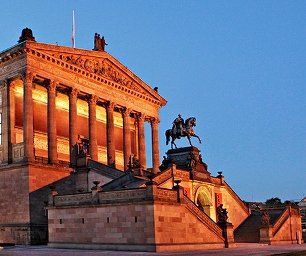
The Alte Nationalgalerie houses one of Germany’s most important collections of 19th-century art. Works by Caspar David Friedrich, Adolph Menzel, Karl Friedrich Schinkel, Arnold Böcklin, Édouard Manet, Claude Monet and Auguste Renoir trace the development of Romanticism, Realism and Impressionism.
The building itself sets the tone. A grand flight of steps leads to Friedrich August Stüler’s temple-like museum, whose historic interiors place the collection within a carefully composed architectural setting.
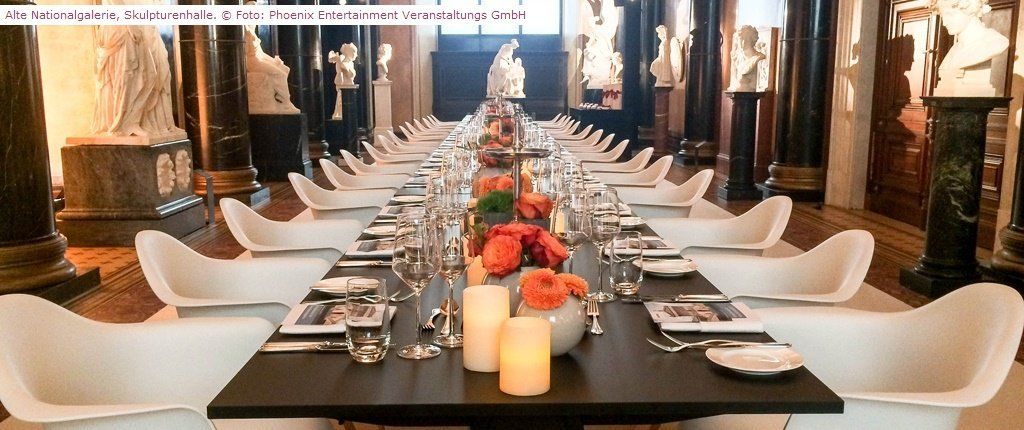
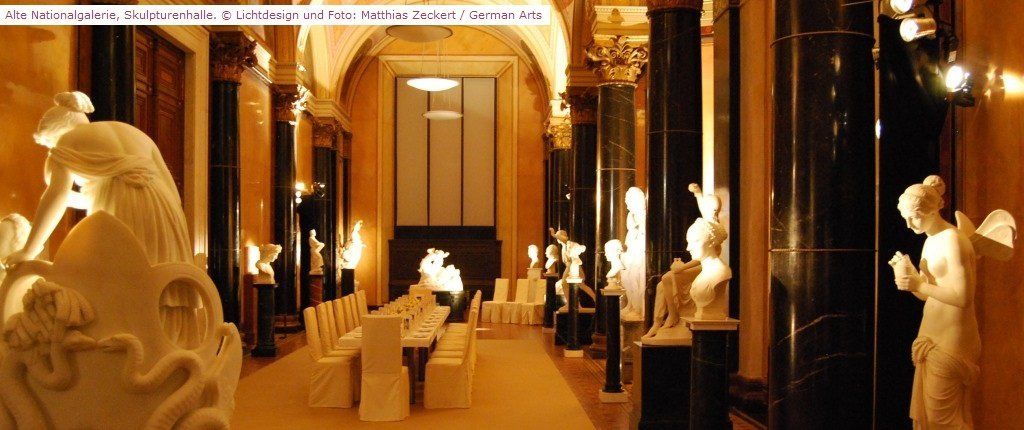
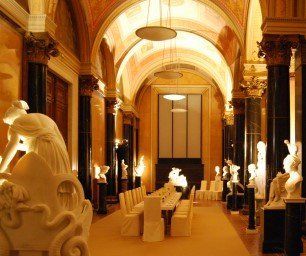
For events, the museum brings together classical elegance and major works of European art. The Sculpture Hall and historic staircase hall lend an evening a formal character, while the proximity of the works gives the occasion a cultural dimension of its own.
Antiquity in Berlin’s first public museum
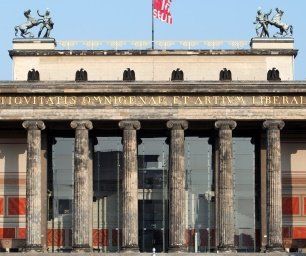
The Altes Museum presents the Collection of Classical Antiquities, with outstanding works from ancient Greek, Etruscan and Roman cultures. Sculptures, vases, coins and objects from everyday life offer insights into societies whose cultural legacy continues to shape Europe.
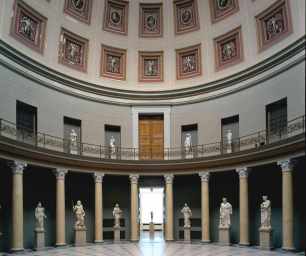
Karl Friedrich Schinkel’s architecture is inseparable from the collection. The monumental colonnade, rotunda and precisely proportioned galleries make the building one of the defining works of Berlin Classicism.
The setting is particularly suited to sophisticated occasions that call for a formal yet open atmosphere. The views across the Lustgarten, the colonnades and Schinkel’s architecture give summer receptions and events a setting that is unmistakably Berlin.
Sculpture in dialogue with architecture
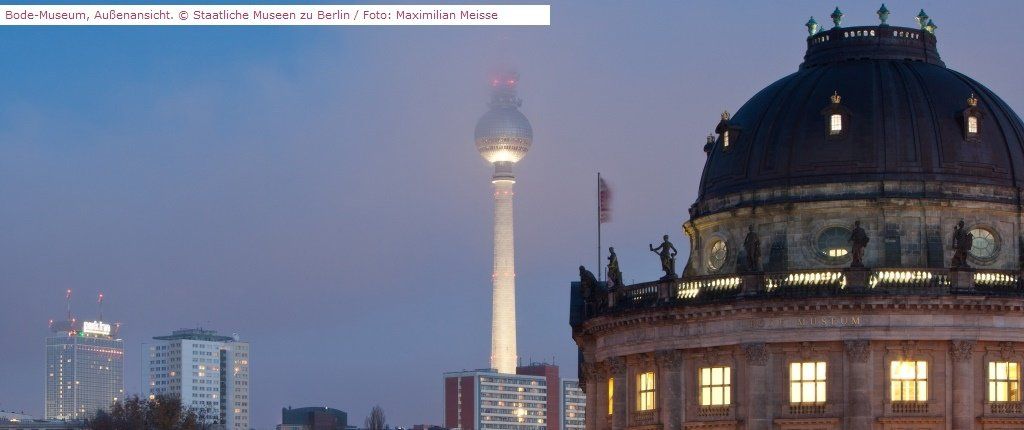
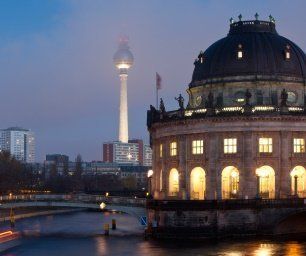
The Bode-Museum brings together sculpture, Byzantine art and the Numismatic Collection. Highlights include works by Donatello, Tilman Riemenschneider and Giovanni Bellini, alongside important works from across European art history.
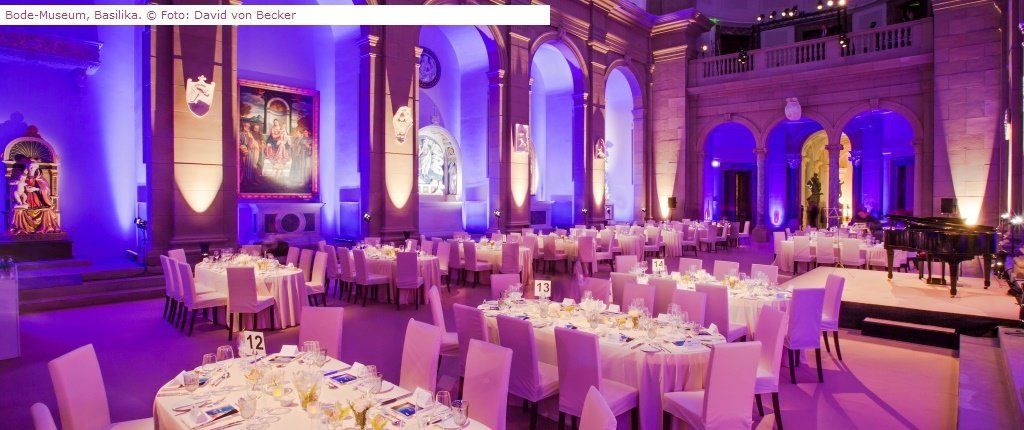
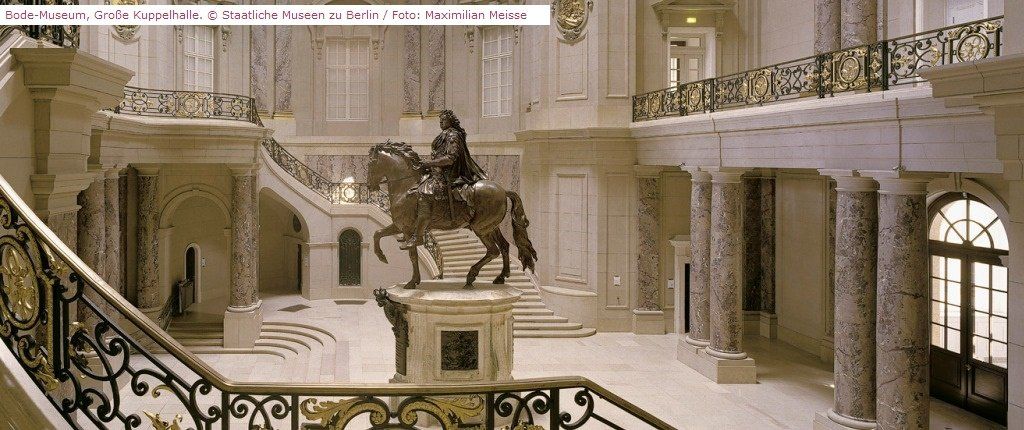
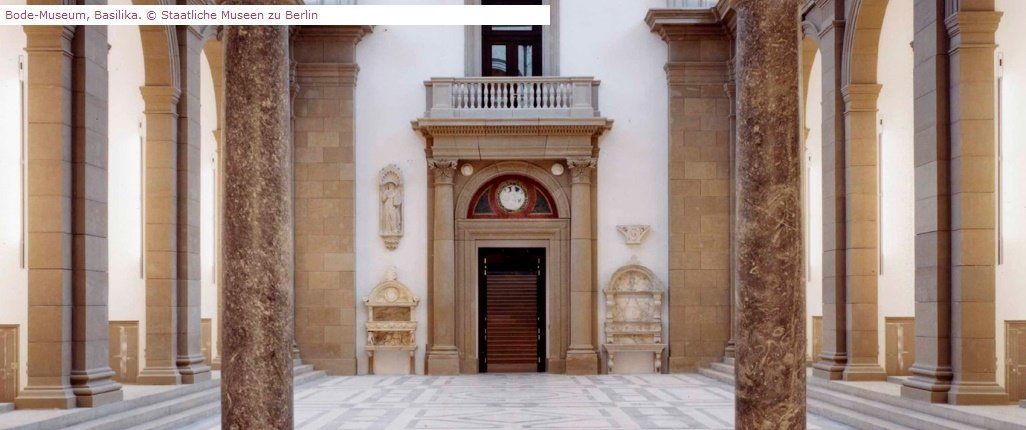
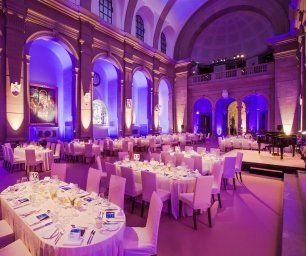
Many of the works are displayed within historic interiors rather than conventional gallery spaces. The Great and Small Domed Halls and the Basilica form a sequence of rooms in which architecture and art are closely interwoven.
This makes the Bode-Museum particularly well suited to an event with a sense of progression. A reception can move through the historic interiors before leading into dinner in the Basilica, while the domed halls provide striking spaces for arrival and gathering.
5,000 years of cultural history
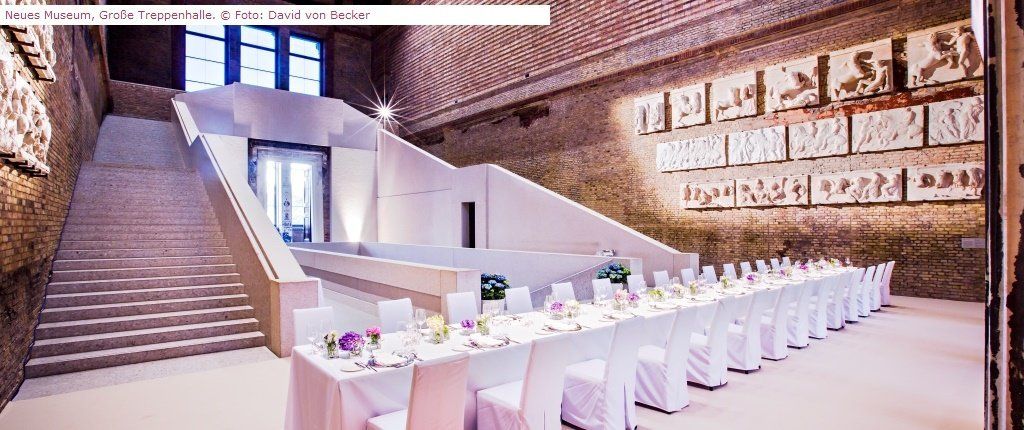
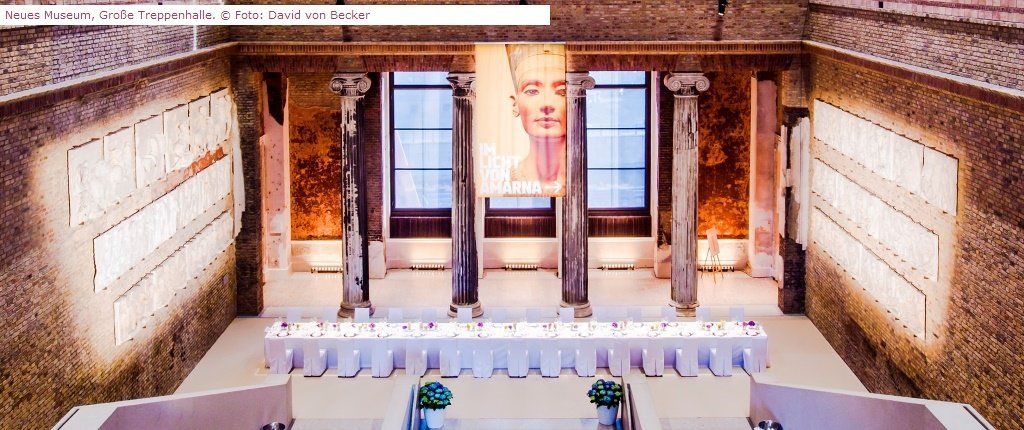
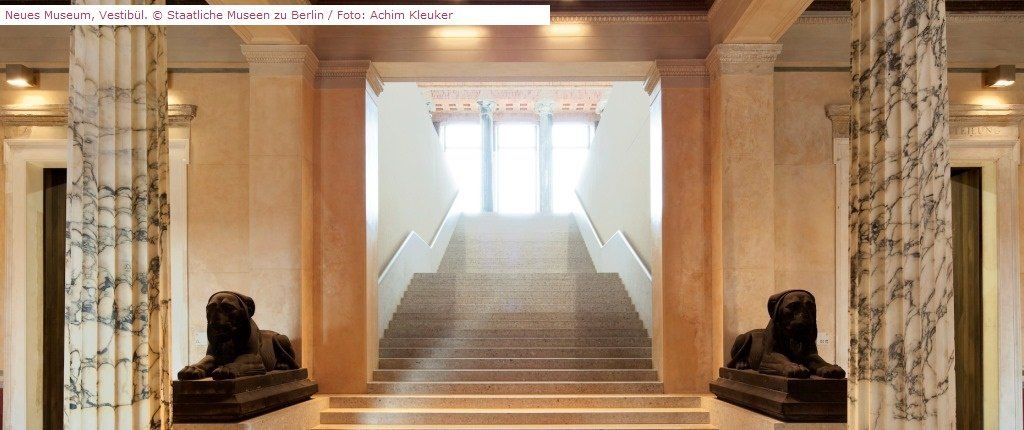
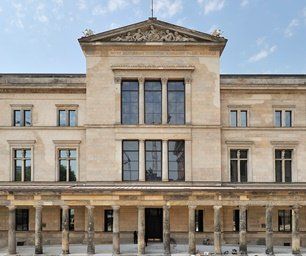
The Neues Museum brings together the Egyptian Museum and Papyrus Collection, the Museum of Prehistory and Early History and selected works from the Collection of Classical Antiquities.
Its best-known work is the bust of Nefertiti. Alongside it are ancient Egyptian sculptures and papyri, prehistoric finds and archaeological objects spanning thousands of years.
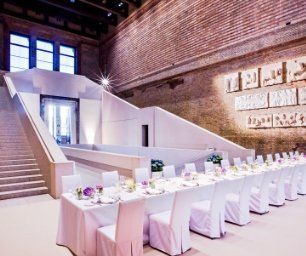
The building is inseparable from this history. Surviving fragments and traces of wartime destruction remain visible alongside David Chipperfield’s architectural intervention, making the museum itself part of the experience.
For events, this creates a concentrated setting in which the art and architecture remain close at hand. Selected dinners, conversations and smaller evening occasions can draw on the particular atmosphere of the historic interiors.
The ancient world brought into view
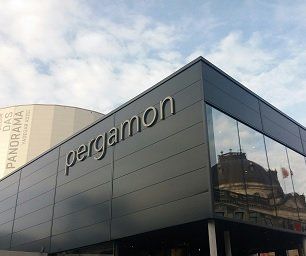
Pergamonmuseum. The Panorama combines ancient architecture and art with Yadegar Asisi’s monumental 360-degree panorama of the ancient city of Pergamon.
At its centre is a reconstruction of ancient Pergamon and its Acropolis. Original works from the Collection of Classical Antiquities and archaeological objects provide a direct link to the historical world represented in the panorama.
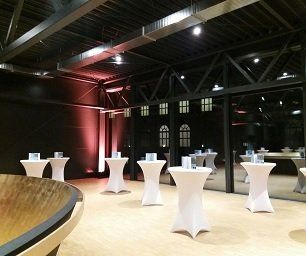
For events, the particular quality of the venue lies in this combination of original objects and immersive presentation. A reception can take place alongside an experience of the ancient city itself, giving the evening a visual dimension beyond the conventional event setting.
Archaeological collections on a monumental scale
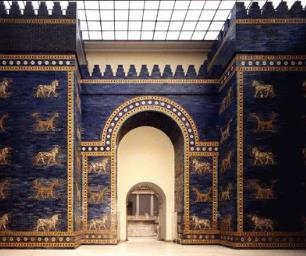
The Pergamonmuseum houses major collections from the Ancient Near East, Classical Antiquity and the Islamic world. Among its best-known works are the Pergamon Altar, the Ishtar Gate and Processional Way of Babylon, and the Market Gate of Miletus.
The museum was designed around the presentation of monumental archaeological architecture at its original scale. The relationship between the collections and the building is therefore central to the experience of the museum.
The building is currently undergoing extensive renovation and will reopen in stages. The first section is scheduled to reopen on 4 June 2027.
Its architectural and conservation requirements call for particularly careful planning. Information on future event possibilities is available on request.
A contemporary entrance to Museum Island
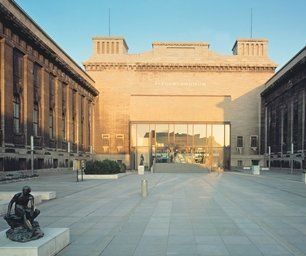
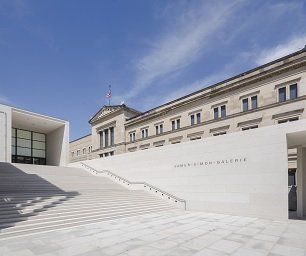
The James-Simon-Galerie forms the principal entrance to Museum Island. David Chipperfield Architects combine a contemporary architectural language with the historic buildings of the UNESCO World Heritage Site.
Its broad staircase, colonnades and generous foyers create a clear contrast with the museums surrounding it.
For events, the gallery offers a contemporary interpretation of Museum Island. Its architecture works particularly well for receptions, presentations and international gatherings where the setting itself forms part of the occasion.
Schinkel’s architecture and 19th-century sculpture
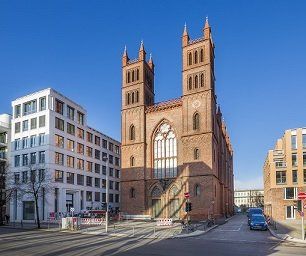
The Friedrichswerdersche Kirche is one of Karl Friedrich Schinkel’s most important surviving buildings.
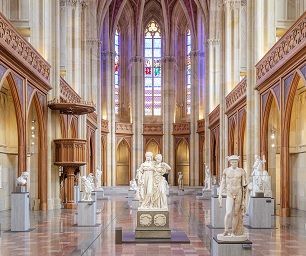
Its Neo-Gothic interior houses sculptures from the Nationalgalerie dating from the early and mid-19th century. Works by Johann Gottfried Schadow, Christian Daniel Rauch and other sculptors are presented in direct dialogue with the architecture.
The church has an intimate and contemplative character. For smaller, carefully curated occasions, it offers a setting in which the architecture and the proximity of the works remain central to the experience.
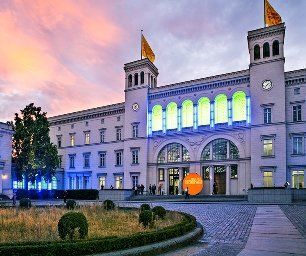
Historic railway architecture and international contemporary art
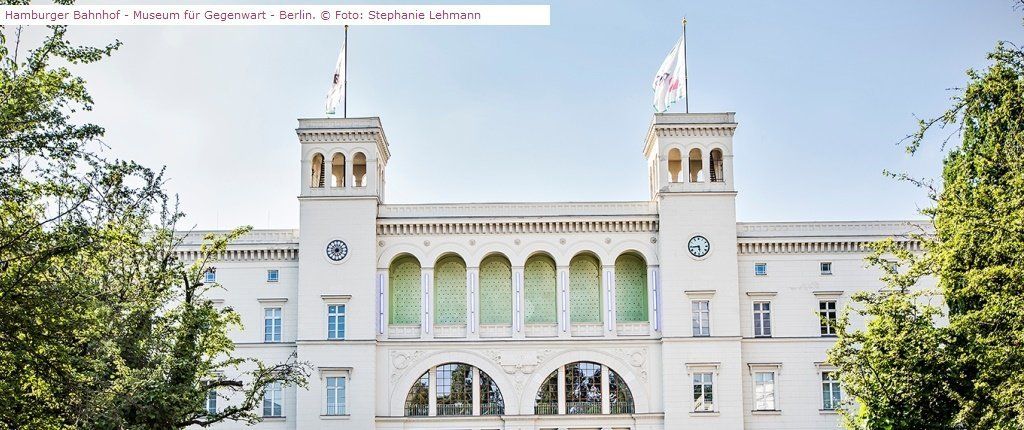
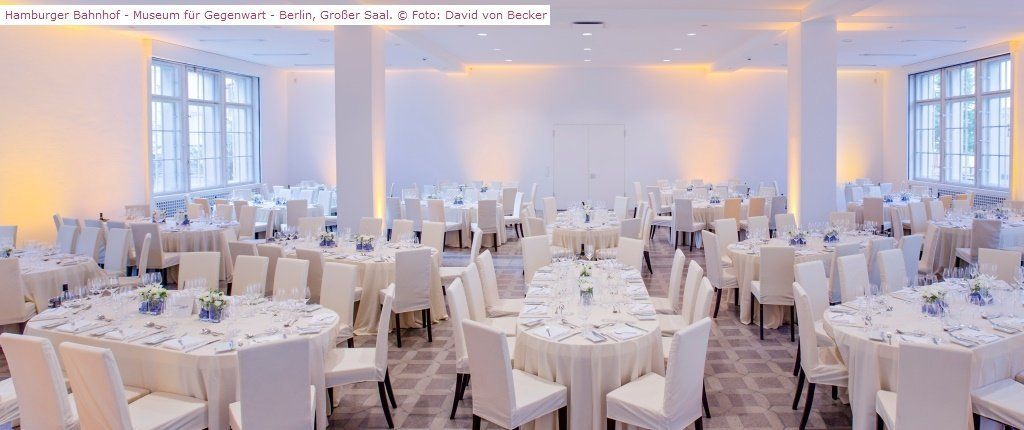
Hamburger Bahnhof houses the Nationalgalerie’s collection of contemporary art, with important works and positions from the 1960s onwards. Artists represented in the collection include Joseph Beuys, Andy Warhol, Cy Twombly and Robert Rauschenberg.
The former railway station and its generous exhibition spaces create a strong architectural contrast to the contemporary works on display.
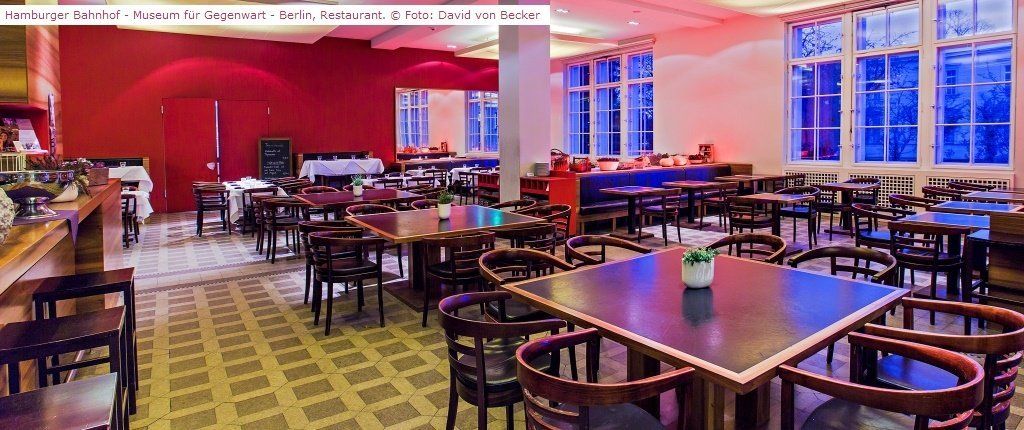
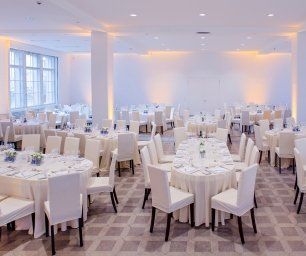
For events, the combination of art and an urban setting gives the museum a character of its own. The scale of the former station lends itself to larger daytime and evening occasions, while the courtyard can be used exclusively for receptions during the warmer months.
Art and architecture at the centre of Berlin
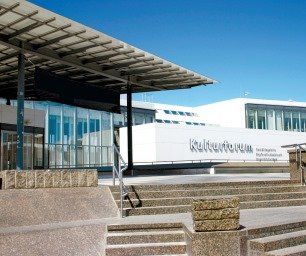
The Kulturforum brings together major collections of European art and cultural history. The Gemäldegalerie presents paintings from the 13th to the 18th century, including works by Rembrandt, Vermeer, Botticelli, Caravaggio and Raphael.
The Museum of Decorative Arts traces the development of European design from Antiquity to the present. The Art Library and other institutions add further dimensions to the cultural landscape of the site.
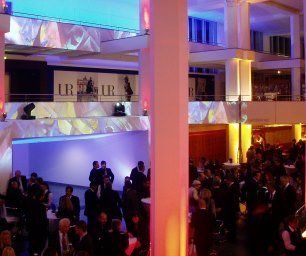
The generous, multi-level entrance hall provides a setting for larger events, while the location between the Tiergarten and Potsdamer Platz places the venue within one of Berlin’s most important cultural districts.
In summer, the Piazzetta extends the setting outdoors and creates additional possibilities for receptions and open-air events.
An icon of modern architecture
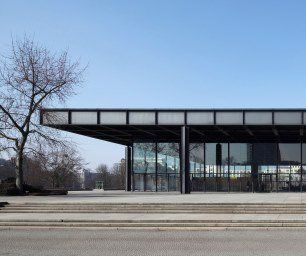
The Neue Nationalgalerie is one of the defining buildings of international modernism.
Its collection includes major works of 20th-century modern art, with artists ranging from Pablo Picasso, Ernst Ludwig Kirchner and Otto Dix to Paul Klee and Wassily Kandinsky.
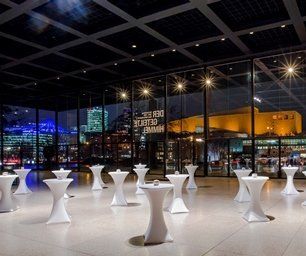
Mies van der Rohe’s glass hall, cantilevered steel roof and open structure are inseparable from the experience of the museum.
For dinners and receptions in the foyer, the iconic roof provides a setting of great architectural clarity and presence.
Hans Scharoun’s architecture of knowledge
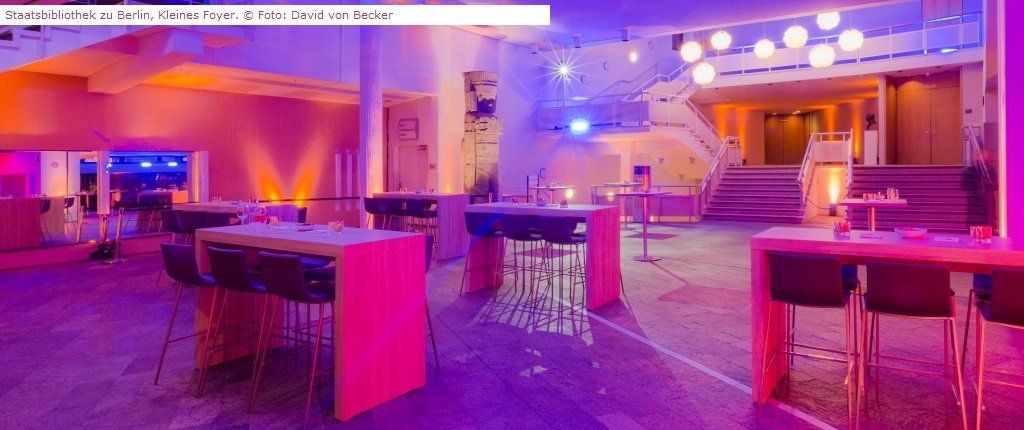
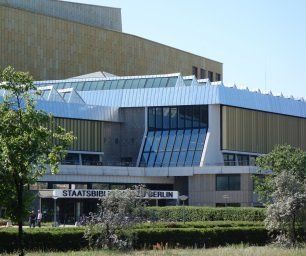
The Staatsbibliothek at Potsdamer Straße was designed by Hans Scharoun and is one of the defining buildings of Berlin’s post-war modernism.
The library preserves significant holdings relating to European and international intellectual and cultural history, from medieval manuscripts and historic printed works to modern research collections.
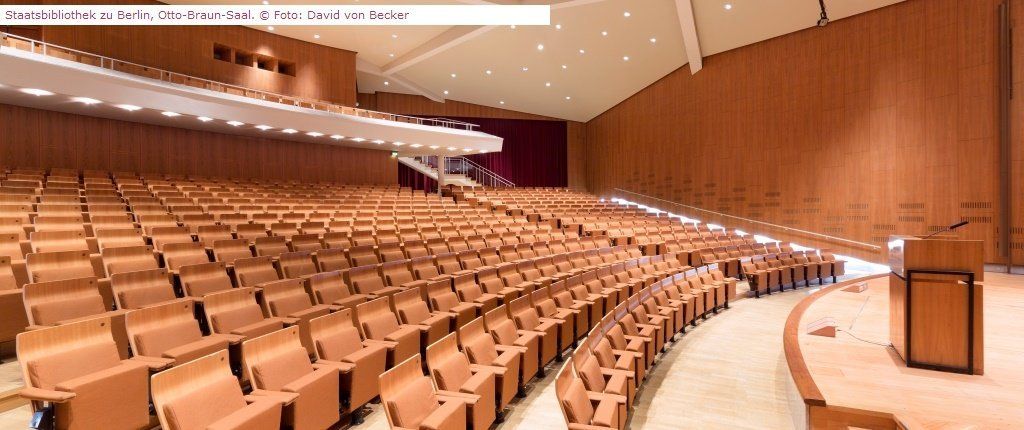
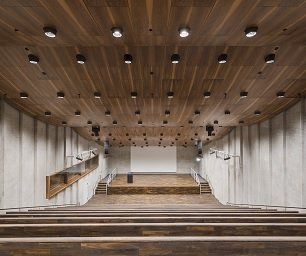
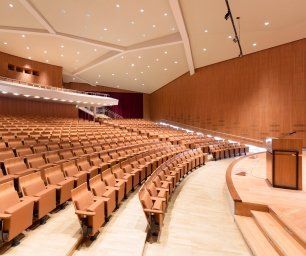
The Otto-Braun-Saal combines expressive architecture with fixed theatre seating and excellent acoustics, making it a well-suited setting for lectures, conferences and presentations.
The Simón-Bolívar-Saal and adjoining foyers provide additional spaces for smaller events.
Picasso, Klee and Matisse in a historic setting
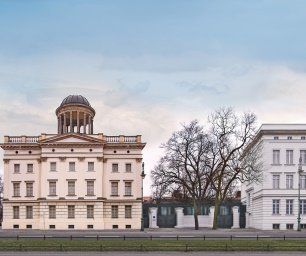
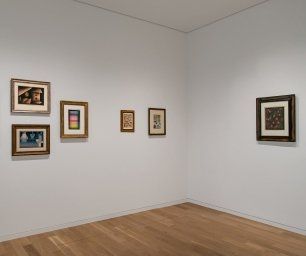
Museum Berggruen houses one of the most important collections of Classical Modernism. Pablo Picasso is at its centre, alongside major works by Paul Klee, Henri Matisse, Alberto Giacometti and others.
The collection is presented in former military barracks opposite Charlottenburg Palace. The relatively intimate interiors offer a different scale from many of Berlin’s larger museums.
The museum is currently closed for extensive renovation
and the collection is being shown at different international venues during this period.
Photography, fashion and visual culture
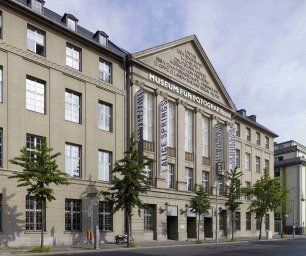
Museum für Fotografie brings together the Photography Collection of the Art Library and the Helmut Newton Foundation. Historical photography and photographic art meet fashion and portrait photography, giving the institution a distinctive relationship with visual culture.
The museum’s location near Bahnhof Zoo places it in the western centre of Berlin, with the historic building and its photographic collections providing the setting.
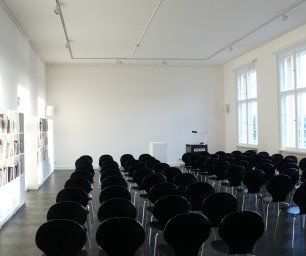
The foyer, featuring Helmut Newton’s famous Big Nudes, is available for smaller receptions and events. The setting is particularly suited to occasions connected with fashion, design, photography and the media.
Surrealism and the fantastic in a historic palace
The Scharf-Gerstenberg Collection is devoted to fantastic and Surrealist art. Works by Francisco de Goya, Max Ernst, René Magritte and Salvador Dalí are among its highlights.
The collection explores the space between reality, imagination and the dream world, presented within a historic Stüler building opposite Charlottenburg Palace.
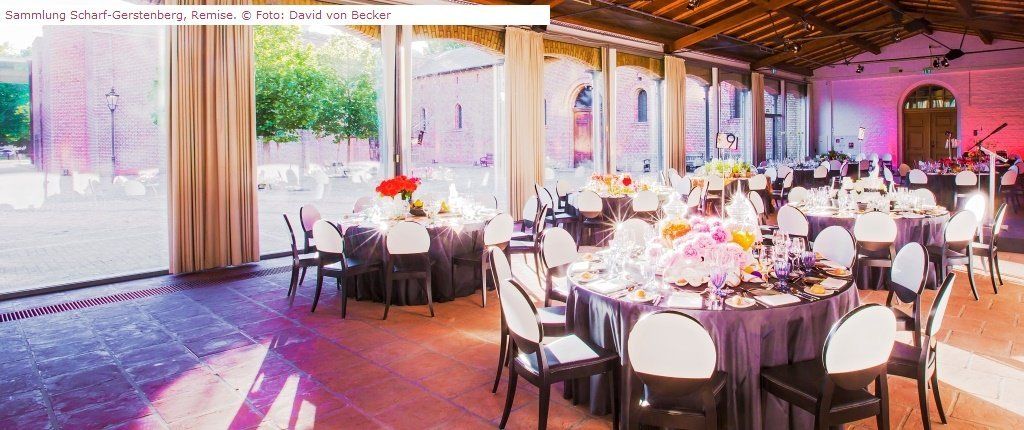
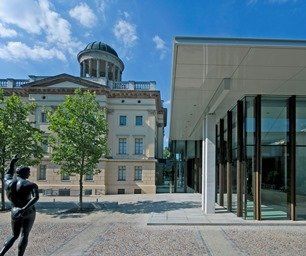
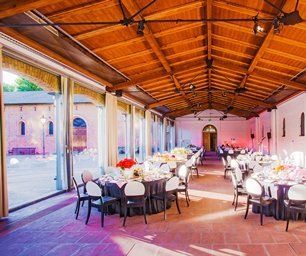
The Remise, adjoining the former stables and opening directly onto the courtyard, provides space for receptions, dinners and lectures. As it is not used as exhibition space, it can also accommodate daytime events.
European cultural history surrounded by a garden
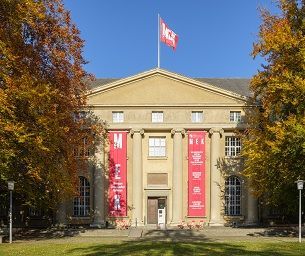
Museum Europäischer Kulturen preserves one of the largest collections of European everyday and festive culture.
Historical costumes, religious objects and material relating to festivals and customs reveal cultural similarities and differences through the details of everyday life.
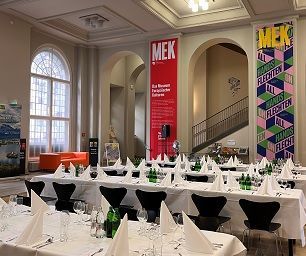
The museum is located in Dahlem, with its historic foyer opening onto a quiet, spacious garden.
The setting lends itself particularly well to smaller social occasions and private invitations where conversation and a relaxed atmosphere are more important than formal grandeur.
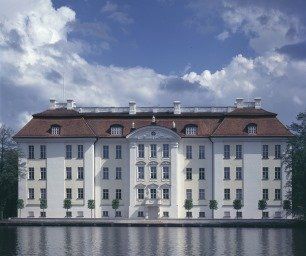
Baroque architecture on an island in the Dahme
Schloss Köpenick houses an important collection of the Museum of Decorative Arts covering art and design from the 16th to the 18th century. Furniture, tapestries, sculpture, silver, porcelain and other objects reveal the close relationship between art, craftsmanship and courtly representation during the Renaissance, Baroque and Rococo periods.
The historic building combines Baroque architecture with its setting on an island in the Dahme, away from the centre of Berlin.
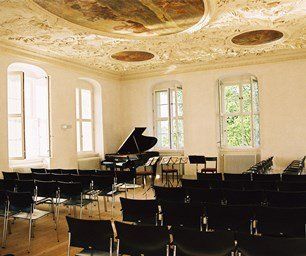
The Aurora Hall, with its richly decorated Baroque interior, provides a formal setting for smaller dinners and receptions. Civil ceremonies and exclusive concerts can also take place here.
During the summer months, the courtyard and riverside areas extend the setting outdoors. The location by the water creates a different rhythm for an evening and allows the transition between the historic interiors and the surrounding landscape to become part of the occasion.